The Best High-Protein Meal Plans for Muscle Gain in the UK

Most people who train hard and eat "enough protein" still struggle to build muscle. The reason is not a lack of effort, but a lack of structure. Without the right meal plan, your body doesn't have what it needs to grow.

Building muscle takes more than showing up at the gym. What happens in the kitchen matters just as much as what happens under the barbell. Yet for most people in the UK, nutrition is the missing piece.

Protein is the foundation of muscle growth. When you train, you create small tears in muscle tissue. Your body repairs and rebuilds that tissue using amino acids from the protein you eat. Without enough protein, consistently and at the right times, that repair process stalls.

This guide explains the best high-protein meal plans for muscle gain in the UK, including how much protein to consume, the best food choices and a simple daily structure that supports muscle growth.

Why Protein Is Essential for Muscle Gain

Protein contains amino acids, which are the building blocks of muscle tissue. During resistance training, muscle fibres experience microscopic damage. Protein helps repair and rebuild these fibres, leading to increased muscle size and strength.

Nutrition Guidnace for Muscle Gain

Research consistently shows that individuals aiming to build muscle should consume adequate protein throughout the day rather than relying on a single high-protein meal.

Key benefits of a high-protein diet include:

•  Supporting muscle growth and recovery

•  Improving strength development

•  Reducing muscle loss during fat loss phases

•  Increasing feelings of fullness and appetite control

•  Enhancing overall training performance

For most active adults pursuing muscle gain, protein intake should typically range between 1.6 and 2.2 grams per kilogram of body weight daily.

What Makes a Good High-Protein Meal Plan for Muscle Gain

A well-designed muscle-building meal plan is not just about packing in as much protein as possible. It balances macronutrients, supports energy levels for training and fits into your lifestyle without becoming a burden.

The core principles of an effective plan include:

•  Spreading protein intake across meals rather than consuming it all in one sitting. Studies suggest the body can optimally use around 20 to 40 grams of protein per meal for muscle protein synthesis.

•  Prioritising whole food protein sources such as chicken, eggs, fish, beef, Greek yoghurt, nuts, lentils and tofu.

•  Including adequate carbohydrates to fuel workouts and support recovery. Carbohydrates are not the enemy when muscle gain is the goal.

Keeping meals consistent with regular eating windows to avoid long gaps that could increase muscle breakdown.
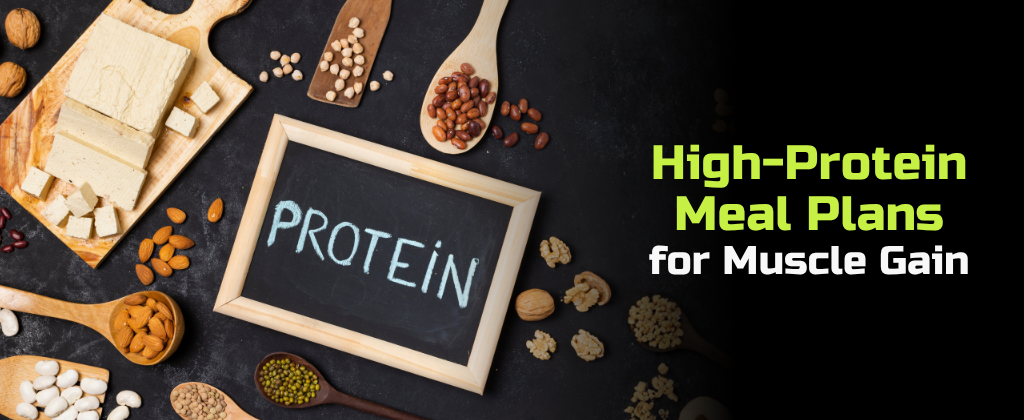
High-Protein Meal Plans for Muscle Gain

Best High-Protein Meal Plan Structure for Muscle Gain in the UK

A structured approach to eating is essential for sustainable muscle growth. Below is a practical step-by-step guide commonly recommended for individuals aiming to build lean muscle:

1. Breakfast: Start Strong with Protein and Energy

A high-protein breakfast sets the tone for the day. Options such as scrambled eggs with wholegrain toast, Greek yoghurt with oats, or a protein smoothie provide a balance of protein and slow-release carbohydrates. This helps maintain energy levels and supports early muscle recovery.

2. Mid-Morning Snack: Maintain Protein Intake

Small snacks such as cottage cheese, a protein shake, or a handful of nuts help maintain amino acid levels in the body. This prevents muscle breakdown between meals and supports consistent growth.

3. Lunch: Balanced Protein and Complex Carbohydrates

A typical lunch may include grilled chicken, salmon, or tofu paired with brown rice, quinoa, or sweet potatoes. Adding vegetables ensures fibre and micronutrient intake, which supports digestion and overall health.

4. Pre-Workout Nutrition: Fuel Training Performance

Before training, the body requires easily digestible carbohydrates and moderate protein. A banana with whey protein or chicken with white rice can improve training intensity and endurance.

5. Post-Workout Recovery: Maximise Muscle Repair

After exercise, the body is primed for nutrient absorption. A protein shake or a lean protein meal within 60 minutes of training helps accelerate recovery and muscle protein synthesis.

6. Evening Meal: Support Overnight Recovery

Dinner should include a slower-digesting protein source such as salmon, nuts, or lentils. This supports muscle repair during sleep, which is a crucial phase of growth.

7. Hydration: Often Overlooked but Essential

Water plays a vital role in muscle function, recovery and nutrient transport. Staying hydrated ensures optimal performance and reduces fatigue during workouts.

Related: 5 High-Protein Meals To Build Your Muscle

Common Mistakes That Slow Muscle Growth

Many individuals struggle with progress due to a few common mistakes:

• Not consuming enough daily protein
• Skipping meals or inconsistent eating patterns
• Overtraining without proper recovery
• Ignoring hydration and sleep quality
• Following generic workout plans without personalisation

Addressing these issues early can significantly improve results and prevent frustration.

How Sha Fitness Combines Training and Nutrition

Many people know which foods are healthy but struggle to apply nutritional principles consistently.

A structured personal training programme provides accountability, expert guidance and ongoing adjustments based on progress.

At Sha Fitness, led by certified personal trainer Sharath, combines evidence-based training methods with practical nutrition coaching to help clients maximise muscle growth safely and effectively. Clients are not expected to follow extreme diets. Instead, they are guided on how to make practical food choices that fit their lifestyle.

As a personal training studio in Chigwell, Sha Fitness has helped men and women across Essex transform their physiques through the combination of smart training and evidence-based nutrition. Whether training at home, online, or at the studio in Chigwell, each plan is designed to align with individual goals, body type and daily routine.

The Sha Fitness Approach to Strength and Muscle Growth

Sha Fitness focuses on a structured and supportive environment where every client receives individual attention. Unlike generic gym routines, every programme is designed around specific goals such as fat loss, muscle gain, or overall fitness improvement.

Clients benefit from:

• One-to-one personal training sessions
• Online coaching options for flexibility
• Expert nutrition guidance
• Fully structured progressive training plans
• Accountability and consistent monitoring

As a trusted Personal trainer for muscle gain, Sharath’s expertise in fitness and nutrition allows clients to understand not just what to do, but why it works. This education-focused approach helps build long-term discipline and independence.

Join Sha Fitness and Build Muscle the Healthy Way

Ready to Build Muscle with the Right Plan?

If you have been training without seeing the results you want, your nutrition plan may be the missing piece. At Sha Fitness, a personal training studio in Chigwell, personal trainer Sharath takes a practical, science-backed approach to muscle building that combines structured training with tailored nutrition guidance.

Whether you are based in Chigwell, Ilford, Chelmsford, Canary Wharf, or anywhere across East London, Sha Fitness is ready to help you reach your goals with a plan built specifically for you. One-to-one sessions available at the Chigwell studio and online.

Visit Sha Fitness or book your consultation with Sharath and start a personalised training and nutrition plan designed around your goals.

Book a Fitness Consultation

Why Essex People Are Choosing SHA Fitness to Reach Their Goals in 2026?

It’s January.

The gym is packed, fitness apps are downloaded, and Essex people are talking about their “new year, new me” resolutions.

Maybe you’re one of them, full of energy, ready to crush your fitness goals.

But how often does that initial energy burn out? How many resolutions quietly fade by February?

Most people start the year with big dreams, but quickly face challenges that stop them from sticking to their plan.

That’s why in 2026, more Essex people are choosing  SHA Fitness and you might want to consider it too.

Let’s discuss more…

Why Do Your Fitness Goals Keep Failing?

Your Fitness Goals Keep FailingHave you ever asked yourself:

Most fitness plans fail because they don’t fit your life, your body, or your routine.

Think about it:

You’re busy. Between work, family, and life’s responsibilities, it’s hard to find time for yourself. You plan a morning workout, but the alarm doesn’t go off, or the kids need you, and suddenly your schedule falls apart.

You feel lost. Most people don’t know which exercises are right for their goals, how to do them safely, or how to combine them with proper nutrition. You try an app or follow random YouTube videos, but it’s confusing, and results are slow.

Motivation fades. When you don’t see progress quickly, it’s easy to give up. You tell yourself, “Maybe next week I’ll start again,” and then another week passes.

Accountability is missing. Without someone checking your form, cheering your wins, or helping you adjust your plan, it’s easy to skip sessions and fall behind.

Sound familiar? That’s exactly what our client from Loughton, told us:

"I’ve tried everything such as gyms, apps, even group classes, but I always quit. I didn’t know what was right for me or how to stay motivated."

If you see yourself in this, don’t worry. The reason you’ve struggled is not because you’re lazy or incapable. It’s because most programs are generic, and your life isn’t.

How SHA Fitness Makes 2026 Special for You?

Unlike generic programs, SHA Fitness is personalised, flexible, and results-driven, designed for Essex people with real lives.

1. Personalised Programs That Fit Your Goals

Essex people choose SHA Fitness for personalised fitness planImagine a plan built specifically for your body, your goals, and your schedule. SHA Fitness doesn’t hand you a standard plan and hope it works. Instead, we ask:

Then we create a plan that fits you.

2. Flexible Training That Adapts to Your Life

Flexible Training with SHA FitnessLife happens. Maybe your meeting ran late, the kids are sick, or traffic makes the gym impossible. With SHA Fitness, it is not even an issue.
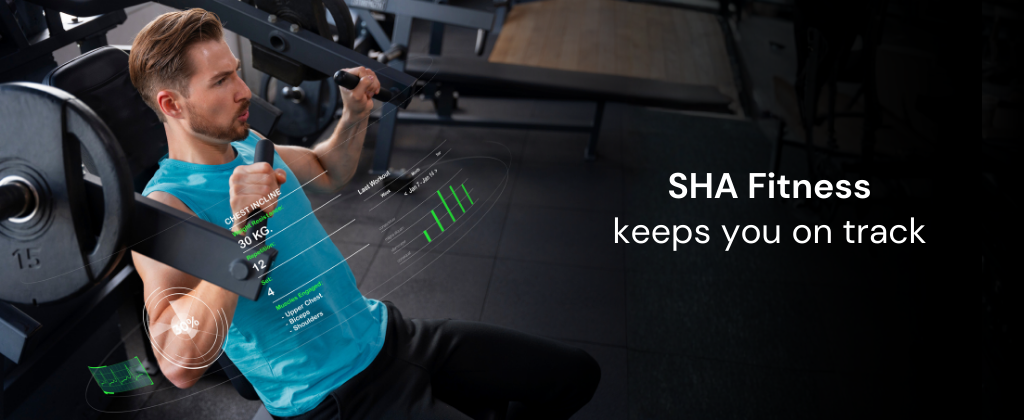
You can choose home-based sessions or virtual training. And that’s a real flexibility. You’ll never feel like you missed your workout.

Ask yourself: When was the last time a program actually adapted to your life instead of forcing you to adapt to it?

3. Accountability That Actually Works

SHA Fitness keeps you on trackConsistency is key, and this is where most Essex people fail. At SHA Fitness, your trainer checks in, corrects your form, and keeps you on track.
It’s not about pressure; it’s about support. Another client from Loughton shared:

"Knowing my trainer was waiting and tracking my progress made me actually show up. It was the push I didn’t know I needed."

That’s the power of accountability. It’s the difference between planning to work out and actually doing it.

4. Real Results, Not Empty Promises

SHA Fitness turns your goals into achievements.SHA Fitness isn’t about quick fixes or flashy challenges. We focus on long-term progress. Whether your goal is:

One of our client shared:

"After 12 weeks with SHA Fitness, I feel stronger, more energetic, and I finally enjoy working out. It’s not just about looking better; it’s about feeling better every day."

That’s the kind of transformation 2026 is about.

Why Are Essex People Choosing SHA Fitness in 2026?

So why now? Why are Essex people signing up this year?

SHA Fitness makes your fitness goals achievable, even if you’ve struggled for years.

Imagine Your Life Six Months from Now

Imagine: It’s April 2026. You’ve been following your SHA Fitness program for four months. You feel stronger, have more energy, and you’re finally consistent with workouts and nutrition.

Your friends notice the change and ask, “What’s your secret?”

And you can honestly say: “SHA Fitness helped me build a routine that fits my life. I finally feel in control of my fitness.”

Wouldn’t that feel amazing? That’s exactly what we want for Essex people in 2026.

Take the First Step Today!

Now it’s time to ask yourself:

Are you ready to achieve your fitness goals in 2026?

If your answer is yes, then SHA Fitness in Essex is waiting for you.

Don’t let another year go by with broken resolutions. Make 2026 the year you finally reach your goals.

Sign up with  SHA Fitness today and make 2026 your strongest year yet.

How Bariatric Surgery Patients Can Recover Faster with 5 Fitness Strategies

When you wake up after bariatric surgery, the room feels quiet but inside, everything has changed.

Your body feels lighter, but your mind? It’s racing. That’s when the questions start to arise…

“How do I eat now?”
“When will I feel like myself again?”
“Am I doing this right?”

No one really prepares you for this part after the surgery.
The part where you have to rebuild your strength, your confidence, and sometimes your identity.

Because bariatric surgery is not the end of your weight loss journey, it’s the beginning of learning how to live in your new body. And that’s not easy.

There will be days when you’ll feel proud and others when your energy crashes. You might feel hungry for results but scared to push too hard.
You might even look in the mirror and not fully recognise yourself yet.

But you can recover faster, stronger, and smarter when you focus on the right things such as movement, nutrition, mindset, and patience.

Because your transformation doesn’t just depend on the surgery, it depends on how you rebuild your habits after it.

Let’s talk about the five fitness strategies that will help you heal, move confidently, and take back control of your body after bariatric surgery.

1. Understand What Your Body Needs After Bariatric Surgery

Understand What Your Body Needs After Bariatric Surgery The first few weeks after bariatric surgery are all about healing. Your stomach is smaller, your digestion slower, and your body is adjusting to major metabolic changes.

This is not the time to rush or push yourself too hard.

Your body just went through a massive reset. Before you start moving more, you need to listen to your body and work with it.

So instead of pushing harder, focus on moving gently:

Every small movement counts. As your energy improves, your doctor or personal trainer can help you design a routine that matches your recovery pace.

2. Start Slow with Low-Impact Exercises

Low-Impact ExercisesOne of the biggest mistakes people make after bariatric surgery is rushing into workouts too soon. Remember, your body is healing. The goal is not to burn calories, it’s to build strength gradually.

Start with low-impact exercises like:

If you feel dizzy, short of breath, or overly tired, you should stop.

After about six to eight weeks, you can slowly progress into light resistance training to help preserve muscle mass and improve mobility. A certified bariatric fitness coach can guide you safely through this stage.

3. Focus on Post-Surgery Nutrition

Post-Surgery NutritionAfter bariatric surgery, food is no longer just about taste. It’s about healing. Every bite you take now either supports your recovery or slows it down.

Your stomach is smaller, yes, but your body needs are bigger than ever. Include more protein for healing, more nutrients for strength, and more hydration for balance.

Here’s what your body needs most after bariatric surgery:

And just as important here’s what to avoid during your recovery:

After bariatric surgery, eating is about reconnection. So, when you sit down for your next meal, slow down. Taste the food. Breathe between bites. Notice how your body responds. Because nutrition after bariatric surgery is about healing your relationship with food and yourself.

4. Build Core Strength for Better Mobility

Build Core Strength for Better MobilityAfter bariatric surgery, your body goes through massive change and your core plays a bigger role in recovery than most people realise.

It’s not about abs or posture. Your core is what helps you stand tall, move freely, and feel balanced again. It supports your spine, your digestion, and even your breathing.

Start with simple, low-intensity moves:

As you build strength, your body will start feeling lighter and more stable. You’ll notice everyday movements like bending, getting up, or carrying groceries feel easier.

5. Prioritise Mindset, Rest, and Emotional Wellness

Prioritise Mindset After Bariatric SurgeryRecovery after bariatric surgery is not about the physical, it’s deeply emotional. You’re adjusting to a new body, a new diet, and often, a new identity. It’s normal to feel a mix of pride, fear, and even frustration at times.


Here’s what helps:

And please, don’t underestimate rest. Your body heals while you sleep. Skipping rest to “do more” can actually slow your recovery. Hydrate, sleep, and give yourself permission to heal.

When to Work with a Bariatric Fitness Coach

Having professional guidance makes a huge difference. A bariatric fitness coach understands your unique recovery challenges from limited stamina to post-surgery muscle loss and helps design a safe plan that works for your body.

A good coach will help you:

Remember, bariatric surgery is your foundation for a healthier life. But it requires consistency, patience, and guidance.

That’s exactly what we do at SHA Fitness.

Our bariatric personal training is about helping you heal smarter. Every client’s journey looks different, so your plan is built entirely around your body’s current strength, recovery pace, and energy levels.

We make sure every session feels safe, doable, and empowering. From learning how to move again with confidence to building long-term strength, we move at your pace.

If you’ve recently had bariatric surgery and want to rebuild your strength safely and sustainably, SHA Fitness can guide you every step of the way.

Start your bariatric fitness journey with SHA Fitness today.

5 Simple Yet Powerful Hormone-Friendly Routines for Busy Women

Do you often feel drained by midday, struggle to maintain a healthy weight, or notice unpredictable mood swings even when you’re eating “right” and trying to stay active?

If so, it’s not just stress or a busy schedule; it could be your hormones signaling that they need support. Have you tried any hormone-friendly routines? Because hormonal imbalances affect energy, metabolism, sleep quality, and mood, making even simple daily tasks feel exhausting.

The good news is you don’t need complicated diets, long hours at the gym, or restrictive programs to feel like yourself again. A Hormone-Friendly Routine is a practical, science-backed approach to help your body function at its best.

Here are 5 simple yet powerful Hormone-Friendly Routines you can start today to feel more energised, balanced, and in control of your body.

Routine 1: Morning Energy Boost (10-15 mins)

Yoga is the morning Hormone-Friendly Routine

Mornings set the tone for your energy, focus, and mood for everything that follows. When your hormones are out of balance, even simple morning tasks can feel exhausted, and your stress hormones, cortisol, can spike, leaving you drained before the day even begins.

A Hormone-Friendly Routine in the morning is not about long workouts or complicated rituals. It’s a short, intentional set of habits that kickstarts your metabolism, stabilises your hormones, and primes your body and mind for the day ahead.

Movement:

Nutrition:

Lifestyle & Stress Management:

Why it works: These routines balance cortisol, primes insulin sensitivity, and give you physical and mental energy to start your day.

Routine 2: Midday Strength & Focus Recharge (10 mins)

Shoulder rolls for mid day Hormone-Friendly RoutineBy mid-afternoon, it’s normal to feel your energy dipping and stress creeping in, especially if you’ve been managing work, family, and daily responsibilities. At this point, your blood sugar may fluctuate, cortisol levels can rise, and your focus can start to fade. A short, intentional Hormone-Friendly Routine at this time can help you reset both your body and mind.

Movement:

Nutrition:

Have a small, balanced snack (like nuts, a boiled egg, or hummus with veggies) to stabilise blood sugar.

Lifestyle & Stress Management:

Why it works: This routine supports insulin sensitivity, relieves tension, and helps you recharge without extra caffeine.

Routine 3: Post-Work Stress-Relief Flow (10-12 mins)

Hormone-Friendly RoutineEvenings are your body’s cue to slow down and recover from the day. A Hormone-Friendly Routine at this time doesn’t just help you relax; it actively lowers stress, regulates cortisol, and prepares your body to produce melatonin naturally for restful sleep.

Movement:

Nutrition:

Lifestyle & Stress Management:

Why it works: This routine reduces stress hormones, improves sleep quality, and helps your body recover for the next day.

Routine 4: Quick Full-Body Energy Blast (15 mins)

squat for hormone balanceOn days when you have a bit more time, a Hormone-Friendly Routine that blends strength training, gentle cardio, and mindful nutrition can do wonders for your body and mind.

Movement:

Nutrition:

Lifestyle & Stress Management:

Why it works: These routines boost energy, strengthens multiple muscle groups, and supports metabolic and hormonal health.

Routine 5: Mini Hormone-Friendly Routine (8-10 mins)

Plank for hormone imabalanceEven if you’re pressed for time, a mini circuit can still be powerful. A Hormone-Friendly Routine here focuses on strength, mobility, and lifestyle habits you can integrate anywhere.
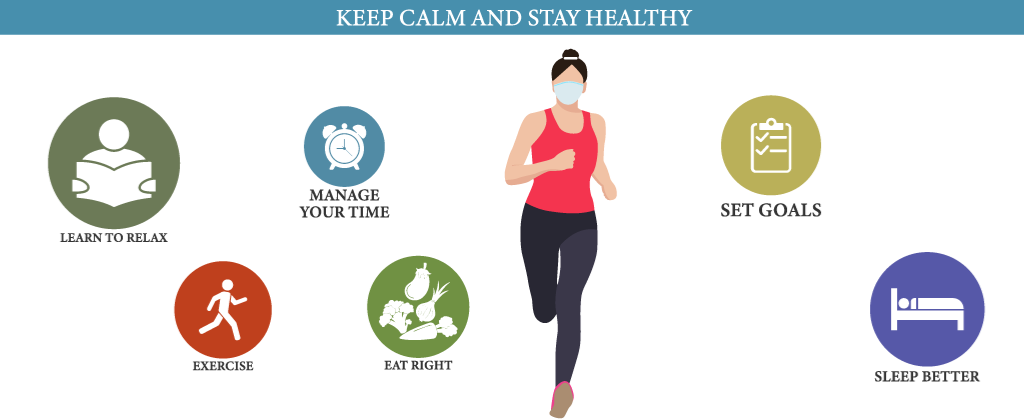
Movement:

Nutrition:

Keep a hormone-supportive snack ready (like yogurt with chia seeds) to prevent blood sugar from dipping.

Lifestyle & Stress Management:

Why it works: This compact routine maintains strength, supports hormone balance, and keeps you energised even on your busiest days.

Tips to Make Your Hormone-Friendly Routine More Effective

Tips to Make Your Hormone-Friendly Routine More Effective

Make Hormone-Friendly Fitness a Lifestyle

A Hormone-Friendly Routine is not just a workout plan; it’s a daily blueprint for energy, balance, and vitality. By combining movement, nutrition, stress management, and lifestyle habits, you give your body the support it needs to thrive.

Soon, these routines won’t feel like extra effort; they’ll become a natural, empowering part of your life.

Remember, it’s not about being perfect; it’s about supporting your body in a realistic, sustainable, and positive way.

If you’re ready to take control of your health and create a personalised plan that fits your lifestyle, SHA Fitness can guide you every step of the way. Connect with SHA Fitness and start your fitness journey today.

Healthy Lifestyle Habits for Women in Their 30s and 40s to Stay Strong

Do you ever wonder why staying strong and energised feels so much harder in your 30s and 40s than it did in your 20s? Your body’s needs change over time, and adopting the right lifestyle habits can help you navigate these shifts more smoothly. You wake up exhausted even after a full night’s sleep, your workouts seem to take more out of you than they give, and healthy eating feels like a constant challenge. Between work deadlines, family responsibilities, and the pressure to “do it all,” it’s easy to feel like your own health has taken a backseat.

If this sounds familiar, it’s not your fault. Hormonal changes, slower metabolism, and rising stress levels can make it feel like your body is working against you. But with the right lifestyle habits, you can reclaim your energy, stay strong, and feel confident in your body again.

In this blog, you’ll discover the essential lifestyle habits for women in their 30s and 40s. These habits are realistic, actionable, and designed to fit your busy life, so you can thrive, not just survive, through midlife.

Why Lifestyle Habits Are Your Secret Weapon?

Lifestyle Habits Are Your Secret Weapon

You’ve probably tried to push through fatigue with extra coffee, skip meals to save time, or squeeze in a quick workout when you have a minute. But by your 30s and 40s, these quick solutions can leave you more exhausted, frustrated, and disconnected from your body. That’s where lifestyle habits come in.

The right habits are not about drastic routines or perfect days, they’re small, consistent actions that support your energy, strength, and overall wellbeing. When you focus on practical lifestyle habits, even busy women like you can:

What makes lifestyle habits so powerful is that they work with your body. Instead of forcing extreme diets or grueling workouts, you’re making targeted choices like prioritising sleep, managing stress, eating nourishing meals, and incorporating strength exercises that compound over time.

Regular Health Checkups for Women

Regular Health Checkups for Women

Your health is your most important asset, yet it’s easy to take it for granted especially in your 30s and 40s, when life feels busy and energy is limited. Regular health checkups are a powerful lifestyle habit because they help you catch hidden issues early.

Key screenings every woman should prioritise:

Making these checkups a routine lifestyle habit gives you insight into your body, helping you make smarter daily choices for energy, strength, and long-term wellbeing.

Prioritise Sleep for Strength and Vitality

Prioritise Sleep for Strength and Vitality

Sleep is the foundation of your energy, mood, and overall health. In your 30s and 40s, busy schedules, work stress, and family responsibilities often push sleep down the priority list. But when you consistently sacrifice rest, your body pays the price with fatigue, slower metabolism, weaker immunity, and lower focus.

Making quality sleep a core lifestyle habit can transform how you feel every day. Even small changes, like establishing a consistent bedtime, limiting screens before bed, and creating a calm sleep environment, can help you:

By treating sleep as a non-negotiable lifestyle habit, you’re giving your body the rest it needs to stay strong, energised, and resilient.

Manage Stress to Protect Health and Energy

Manage Stress to Protect Health and Energy

Stress is one of the biggest energy drainers for women in their 30s and 40s. Between work, family, and personal commitments, it’s easy to feel like your mind is always racing. Chronic stress not only leaves you exhausted but also disrupts hormones, affects sleep, and makes it harder to maintain strength and a healthy weight.

Making stress management a key lifestyle habit can transform how you feel every day. Try incorporating small, practical practices such as:

By making these practices routine, you’re not just managing stress, you’re protecting your energy, supporting hormone balance, and strengthening your resilience. Small, consistent steps create a ripple effect that improves your overall wellbeing.

Strength Training for Your Midlife

Strength Training for Your Midlife

Muscle mass naturally declines with age, but strength training reverses this trend, boosts metabolism, and supports bone health. It’s one of the most powerful lifestyle habits for women in their 30s and 40s.
Simple ways to start:

Even a short 20-minute session consistently delivers lasting benefits, making you feel stronger, fitter, and more confident.

Nutrition and Meal Habits That Support Vitality

Nutrition and Meal Habits That Support Vitality

Your diet is the fuel that keeps your energy high and your hormones balanced. Integrating smart lifestyle habits around nutrition can make a real difference:

Meal planning or prepping simple balanced meals can help busy women stay consistent without stress or overwhelm.

Daily Lifestyle Habits for Your Best Midlife

It’s the small choices that compound into lasting health. Daily lifestyle habits to integrate include:

These habits create a lifestyle where health, energy, and confidence become second nature.

Thriving in your 30s and 40s is entirely possible when you adopt intentional lifestyle habits. But remember every body has different needs, and what works for one person may not work for another. That’s why working with a personal trainer at SHA Fitness can help you create a plan that fits your body, lifestyle, and goals, so you get results safely and effectively.

Book a session with a SHA Fitness personal trainer and start building the lifestyle habits that will keep you strong, energised, and confident every day.

How to Increase Bone Density with Weightlifting for Unbreakable Strength?

Did you know that the way you lift weights today could be the key to stronger, healthier bones for life?

Most people think weightlifting is only  about building bigger muscles or looking fitter. But one of the most powerful ways to increase your bone density is weightlifting. Strong bones don’t just protect you from fractures; they give you better balance, more energy, and the freedom to live life without limits.

You don’t need to be an athlete or spend hours in the gym. With the right weight-lifting routine, proper progression, and bone-supporting nutrition, you can strengthen your skeleton, reduce injury risk, and feel unstoppable in your everyday life.

In this guide, you’ll discover a step-by-step, science-backed plan to build unbreakable bones.

Why Bone Density Is the Foundation of True Strength

Bone Density Is the Foundation of True StrengthImagine trying to lift something heavy, climb stairs, or even get up from a chair and suddenly feeling unstable or weak. That instability is not just about muscle strength; it starts in your bones. Your skeleton is the silent hero of your body. It supports every movement, protects vital organs, and keeps you upright and balanced. Without strong bones, even the strongest muscles can’t perform at their best.
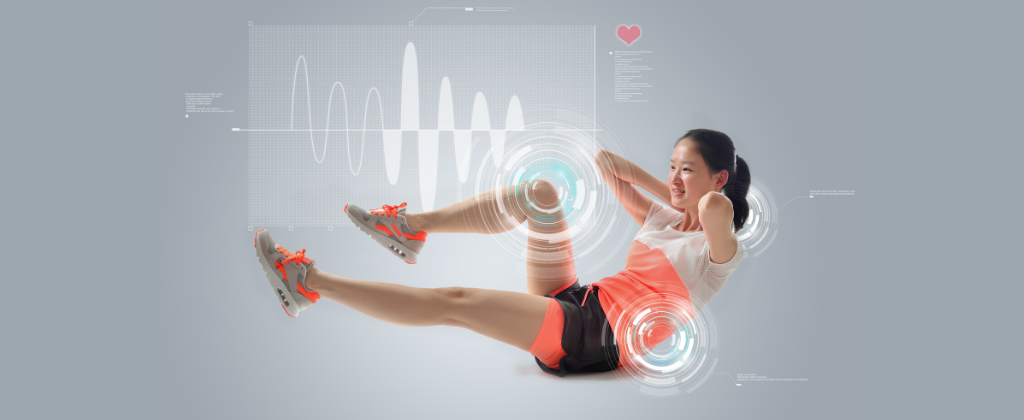
Most people don’t think about bone health until it’s too late. Research shows that adults can start losing bone mass in their 30s, often without realising it. That’s why fractures, back pain, and reduced mobility sometimes appear out of nowhere. But here’s the empowering truth: your bones can be strengthened, even as you age.

Why Do You Need Strong Bones?

Weightlifting places control stress on your bones, which signals them to grow denser, tougher, and more resilient. Every rep is not just building muscle; it’s fortifying your skeleton for life.

The Science Behind Bone Density

Science Behind Bone DensityBones are not static; they’re living, dynamic tissue that constantly rebuilds and adapts. This process, called bone remodeling. It determines your bone density, strength, and resilience over time. Understanding how this works is the key to building a strong skeletal foundation.
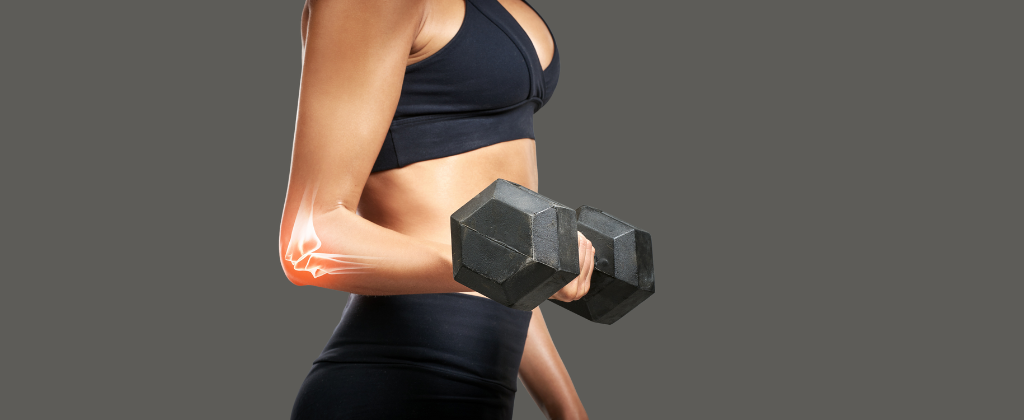
How Bone Density Works?

Bone remodeling: Your body continuously breaks down old bone tissue and forms new bones. This balance determines whether your bones stay strong, weakened, or grow denser.

Peak bone mass: Most people reach their maximum bone density in their late 20s. After that, density naturally declines unless it’s actively maintained.

Hormones and nutrients: Bone health relies on hormones like estrogen and testosterone, and nutrients like calcium, vitamin D, and protein. Deficiencies or hormonal changes can accelerate bone loss.

Did You Know That Bones Respond to Stress?

Bones grow stronger when they experience controlled stress. This is a natural survival mechanism: your skeleton adapts to the loads placed on it, reinforcing areas that are challenged the most.

By understanding the science behind bone density, you can make informed decisions about your training, nutrition, and lifestyle. It’s not just about looking strong, it’s about creating a skeleton that supports strength, resilience, and freedom in everyday life.

Why Weightlifting Works Better Than Other Activities?

Weight lifting works better for bone densityWhile walking, jogging, or other low-impact activities are good for general health, weightlifting applies to controlled resistance that actively forces bones to adapt. It’s not just about moving your body; it’s about telling your bones to grow stronger in response to real-world demands.

Higher stress, higher adaptation: The heavier and more controlled the load, the stronger your bones become.

Whole-body benefits: Weight lifting engages multiple bones and joints simultaneously, promoting overall skeletal resilience.

Long-term protection: Research shows adults who lift weights regularly maintain higher bone density and have a significantly lower risk of fractures.

Essential Weightlifting Exercises for Bone Density

The right weightlifting exercises can directly stimulate your bones, making them denser, stronger, and more resilient.

Core Principles Before You Start

Key Exercises for Bone Density

Squats:

Target: Legs, hips, and lower spine.

Why it works: Squats load your hip and femur bones, which are critical areas prone to fractures. They also improve balance and overall lower-body strength.

Presses (Overhead or Bench):

Target: Shoulders, chest, and upper spine.

Why it works: Presses strengthen the bones in your arms, shoulders, and chest, supporting better posture and upper-body resilience.

Deadlifts:

Target: Spine, hips, and hamstrings

Why it works: Deadlifts provide controlled stress to the vertebrae and hip bones, encouraging bone remodeling while building core stability.

Rows (Barbell or Dumbbell):

Target: Upper back, shoulders, and spine

Why it works: Rows strengthen the bones along the spine and shoulder girdle, improving posture and reducing the risk of spinal fractures.

Why Do These Exercises Work?

The Right Frequency and Intensity for Bone Density

Once you’ve started lifting weights, the next question is: how often and how intensely should you train to actually strengthen your bones? Getting this right is key to making long-term gains without risking injury.

The Principles of Safe and Effective Progression

Consistency over intensity: Regular sessions are more effective than occasional heavy lifting. Aim for 2-4 weightlifting sessions per week, depending on your fitness level.

Gradual increase: Increase the weight or resistance slowly over time. Bones respond to progressive stress, but sudden heavy loads can lead to injury.

Balanced workload: Target all major areas such as legs, hips, spine, shoulders, and arms to build uniform bone strength.

Rest and recovery: Bones, like muscles, need time to adapt. Allow 48 hours between sessions for the same muscle/bone groups.

Avoid These Common Mistakes

Why Do You Need a Personal Trainer?

Personal Trainer for increasing bone densityProgression and safety are not just about numbers; they’re about knowing what your body needs, avoiding mistakes, and pushing just hard enough to grow stronger. A personal trainer can:


SHA Fitness specialise in personalised weightlifting programs that focus on building stronger bones, improving posture, and increasing long-term mobility. With the right guidance, you can train safely, see results faster, and enjoy the confidence that comes from a strong, resilient body.

Contact SHA Fitness today and start your personalised strength training journey to a stronger and healthier bone.

The Science Behind Nutrition and Its Role in Fitness Training

Ever thought about why your workouts aren’t delivering the results you expected? You might be hitting the gym regularly, lifting weights, doing cardio and staying consistent, but still not seeing the transformation you hoped for. The missing piece? Nutrition.

Nutrition is the unsung hero of fitness training, and understanding its science can be the breakthrough you’ve been looking for. Whether you're just starting your fitness path or you're a seasoned athlete, this blog will break down how nutrition fuels your body, supports your goals and enhances performance.

Let’s explore the science behind nutrition and how it plays a pivotal role in transforming your fitness outcomes.

Why Nutrition Is the Foundation of Fitness

Think of your body as a high-performance vehicle. Training is the engine, but nutrition is the fuel. Without the right fuel, even the most powerful engine won’t perform at its best.

When you exercise, your body experiences stress as your muscles tear, your energy levels drop, and the process of recovery begins. Nutrition provides the building blocks (like protein, carbs, fats, vitamins and minerals) that help your body repair, grow stronger, and stay energised.

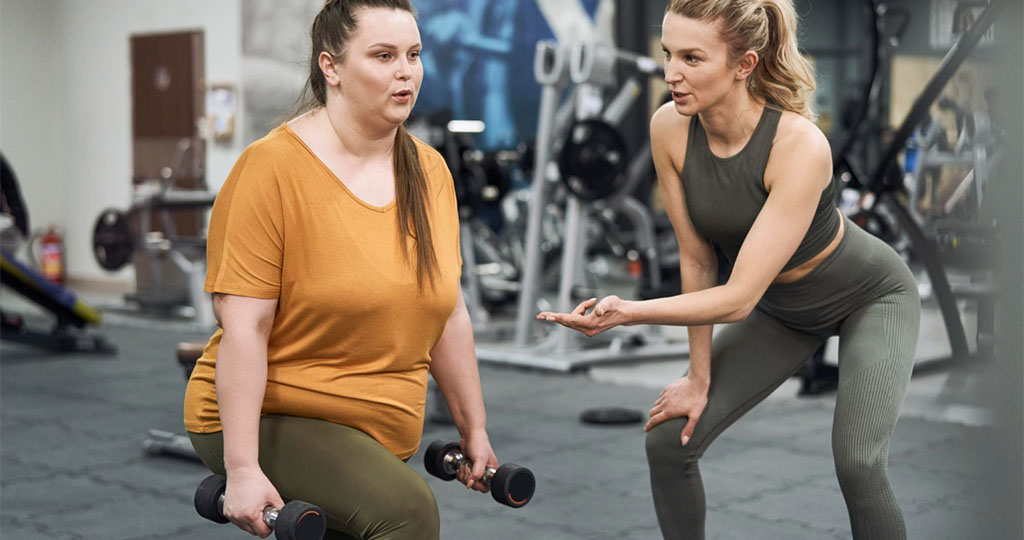
The Science of Nutrition Meets the Art of Training

Macronutrients: The Big Three You Need to Know

Let’s simplify the science:

Balancing these macronutrients based on your fitness goals (fat loss, muscle gain, endurance) is key. A personal trainer in Chigwell like Sharath at Sha Fitness can help tailor your nutrition to your training plan.

Micronutrients: The Unsung Heroes

While macros get all the attention, micronutrients (vitamins and minerals) are just as important. They support immune function, bone health, energy production and more.

For example:

A deficiency in any of these can slow down your progress, increase fatigue, or even lead to injury.

Nutrition Guidance

Timing Matters: When You Eat Is Just as Important

It’s not only about what you eat but also about when you eat it.

This approach is especially effective for those engaged in structured programmes, where consistency and progress tracking are crucial.

Related: How to achieve the daily dietary goals?

Nutrition for Different Fitness Goals

Whether you're training for strength, fat loss, or endurance, your nutrition strategy should align with your goals.

Sha Fitness provides nutrition guidance designed around your goals, lifestyle, and personal preferences. This is particularly useful for those following South Asian fitness diets, which often require thoughtful adjustments to balance traditional foods with optimal performance.

Fitness Training and Nutrition Guidance

Common Nutrition Mistakes That Sabotage Progress

Even with the best intentions, many people fall into common nutrition traps that hinder progress. Here are a few mistakes to avoid:

  1. Skipping meals – This can reduce energy and slow metabolism. Consistent, balanced meals support both performance and recovery.
  2. Over-relying on supplements – Supplements should complement, not replace, whole foods. Whole foods provide a wide range of nutrients that powders and pills can’t fully replicate.
  3. Ignoring hydration – Dehydration affects both mental and physical performance. Aim for at least 2–3 litres of water daily, more if you exercise intensely.
  4. One-size-fits-all diets – Following generic plans can lead to deficiencies or imbalances. Personalised advice from a Personal trainer in Chigwell ensures your diet supports your unique goals.

Working with a personal trainer in Chigwell like Sharath ensures you avoid these pitfalls and stay on track.

How Sha Fitness Integrates Nutrition with Training

At Sha Fitness, nutrition isn’t an afterthought; it’s built into the plan from the start.

Sharath, a Level 3 Certified Personal Trainer and Level 4 Strength & Conditioning Specialist, combines expert training with personalised nutrition guidance. Whether you're looking for nutrition guidance or need a Fitness Training in Chigwell and nearby areas, Sha Fitness delivers results through a balanced approach.

Our clients receive:

This integrated approach helps clients achieve lasting results rather than temporary quick fixes.

Local Expertise with Global Standards

Serving Hainault, Loughton, Chigwell, Romford, Ilford and nearby areas, Sha Fitness brings world-class fitness coaching to your doorstep. Sharath’s extensive knowledge of nutrition science, combined with practical experience, ensures that every client receives a plan that truly works in real life, not just in theory.

Whether you're training for a bodybuilding competition, aiming to lose weight, or simply want to feel better in your body, Sha Fitness is your trusted partner.

Fuel Your Fitness: The Science of Nutrition & Performance

South Asian Fitness and Nutritional Considerations

For South Asian communities, fitness and nutrition require special consideration due to dietary habits and cultural food preferences. Traditional South Asian diets can be rich in carbs and fats, which can impact weight management and energy levels if not balanced correctly.

At Sha Fitness, we design culturally sensitive meal plans that integrate traditional South Asian foods in a healthier, fitness-focused way.  Sharath works closely with clients in Ilford, Chigwell, Hainault, Loughton, Romford and surrounding areas to craft fitness and nutrition plans that fit individual lifestyles.

Our strategies ensure that South Asian clients can enjoy familiar foods without compromising their fitness goals. South Asian fitness success is absolutely achievable with the right guidance.

Start Your Nutrition-Focused Fitness Plan

If you're serious about results, it’s time to combine smart training with science-backed nutrition. By combining expert-led Fitness Training in Chigwell with a personalised nutrition plan, you can accelerate results, reduce injury risk and enjoy a healthier, more sustainable lifestyle.

Sha Fitness is here to guide you every step of the way. Sharath’s expertise as a certified personal trainer in Chigwell offers personalised coaching, expert nutrition advice and a deep understanding of South Asian fitness, making him the go-to trainer in the area.

Contact Sha Fitness today to schedule your consultation for Fitness training and Nutrition!

Schedule a free consultation

Why Stubborn Fat Is Hard To Lose And How A Personal Trainer Can Help?

Have you ever felt frustrated staring in the mirror, wondering why that belly, hips, or arms just won’t change no matter how much you exercise? Stubborn fat is one of the most common roadblocks in fitness journeys, and it’s not just about willpower or dedication. Understanding why it lingers and how to tackle it is the first step toward real results.

In this blog, you’ll learn why stubborn fat is so hard to lose and how a personal trainer can make a real difference. With the right guidance, strategies, and consistency, achieving lasting results is possible.

What Is Stubborn Fat?

Stubborn fatStubborn fat refers to areas of the body that resist traditional weight loss methods. These are often the belly, hips, thighs, and upper arms. Unlike regular fat that tends to decrease with general diet and exercise, stubborn fat is more metabolically resistant, meaning your body hangs onto it longer.

It’s not because you’re “lazy” or doing something wrong. Your body’s biology plays a huge role.

Why Stubborn Fat Is Hard To Lose

There are several reasons stubborn fat refuses to budge:

Common Mistakes People Make

Many people unknowingly make mistakes that make stubborn fat harder to lose:

Nutrition Myths That Sabotage Stubborn Fat Loss

Nutrition Myths That Sabotage Stubborn Fat LossWhen it comes to stubborn fat, what you eat is just as important as how you train. Yet, many people fall into common traps. You may have tried crash diets, cutting calories drastically, or relying on so-called “miracle foods” that promise instant results. The truth is, these approaches rarely work and often make stubborn fat even harder to lose.

A personal trainer doesn’t just hand you a generic diet plan. Instead, they help you understand the right balance of protein, carbs, and fats for your body, design meal timing strategies that complement your workouts, and ensure your nutrition is sustainable long-term. They also debunk myths like “no carbs ever” or “fasting all day” and replace them with practical, science-backed advice.

The Role of Recovery and Lifestyle in Fat Loss

How to reduce stubborn fatFat loss is not just about workouts and calories, it’s also about how your body repairs, adapts, and balances itself between sessions. Recovery allows your muscles to rebuild stronger, your nervous system to reset, and your metabolism to function optimally.
A personal trainer uses recovery as an active strategy. Here’s how recovery and lifestyle choices enhance fat loss:

By addressing both exercise recovery and daily lifestyle habits, a personal trainer helps turn recovery into a powerful fat-loss tool, amplifying the effects of your arm or tummy workouts and nutrition plan.

How Can a Personal Trainer Make a Difference?

How a personal trainer can help to reduce stubborn fatA personal trainer does more than guide workouts, they act as a strategic partner who helps you overcome obstacles and get measurable results faster.
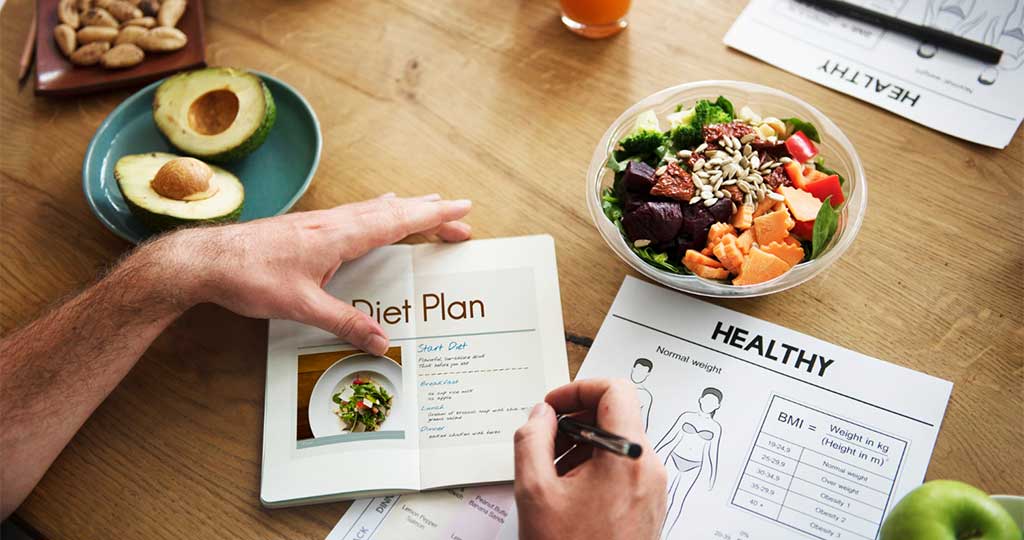
Keyways they make a difference include:

By combining strategic planning, expert problem-solving, and accountability, a personal trainer ensures that your efforts are not just consistent, but highly effective and results driven.

Stubborn fat can feel impossible to shift but understanding the challenges and having the right strategy changes everything. With a personal trainer guiding your workouts, tracking your progress, and keeping you accountable, you can finally overcome plateaus and achieve real, lasting results.

If you’re ready to take control of your fitness journey and see the changes you’ve been working for, connect with SHA Fitness today and start a personalised program designed just for you.

How to Gain Weight With Home Workouts and Proper Diet?

Are you struggling to gain weight even though you’re eating more than usual? The truth is, it’s not just about calories, it’s about building strength, muscle, and energy the smart way. With the right combination of home workouts, proper nutrition, and lifestyle habits, you can see real progress, feel stronger week by week, and finally reach your goals. This is the kind of weight gain that lasts, leaving you confident, energised, and proud of your body.

So, let’s discover how to make it happen.

What Is Healthy Weight Gain?

Before you add extra meals or workouts, it’s crucial to understand what healthy weight gain really means. Eating more calories alone won’t build the lean muscle you want, it often just adds fat. To gain the right kind of weight, you need strength-focused workouts, enough protein, and a consistent calorie surplus.

You might feel frustrated thinking, “I eat a lot, but nothing changes.

That’s because it’s not about quantity alone, it’s about eating smart and training your body to grow. When done right, you’ll start noticing results: more strength, higher energy, better posture, and gradual muscle growth. Focusing on these small, measurable changes is what turns effort into real, sustainable weight gain.

How do you calculate your calorie and protein needs?

calculate calorie to gain weightTo gain weight in a healthy way, focus on eating more calories than your body uses up each day. The quality of food you eat is just as important as the quantity. Think of it as fueling your body for growth, not just filling it.

Start by figuring out your maintenance calories which is the number of calories your body needs to stay at your current weight. From there, add a 300-500 calorie surplus per day. This gives your body the extra fuel it needs for muscle growth without piling on unnecessary fat.

Protein is your foundation for building lean muscle, while carbs fuel your workouts and fats keep your hormones balanced. A simple guideline is 1.2-2 grams of protein per kilogram of body weight daily.

Here’s how to put it into practice:

By tracking what you eat and adjusting slowly, you’ll avoid digestive discomfort. This approach helps you gain weight steadily while building strength and muscle.

Which home workouts help build muscle?

Home workouts to gain weightYou don’t need a full gym to gain weight and build muscle. Home workouts can be highly effective if done correctly and consistently. Focus on compound movements that engage multiple muscle groups, such as:

Structure your workouts for progressive overload, meaning you gradually increase reps, sets, or resistance to challenge your muscles. A typical schedule could include 3-4 focused sessions per week, with rest days in between to allow muscle recovery.

Which nutrition strategies help you gain weight effectively?

nutrition strategies help you gain weightIf you’ve been struggling to gain weight, chances are it’s not about your effort, it’s about your nutrition strategy. Food is not just fuel here; it’s the tool that builds every extra pound of muscle on your frame.

The secret is picking calorie-dense, nutrient-packed fibre foods that don’t just leave you full, they actually fuel your muscles to grow. Here’s how to make it simple:

Now, let’s get practical about how to gain weight:

Meal Planning: Instead of forcing down huge plates, spread your food across 5-6 smaller meals.

Time Your Nutrition Around Workouts:

You don’t need to force-feed yourself or live on junk food. You just need to be strategic with food choices and timing so that every bite moves you closer to your goal.

How can lifestyle habits support weight gain?

lifestyle habits support weight gainWhen you aim to gain weight, remember it’s more than food and exercise, it’s about creating a lifestyle that supports growth.

One person shared, “I noticed my gains plateaued until I started prioritising sleep and stress-free meals, it made a huge difference.”

How do you track progress and adjust your plan?

personal trainer for weight gainMonitoring your progress ensures your efforts are paying off. Don’t rely solely on the scale; take measurements, photos, and track strength improvements in your workouts. Celebrate milestones, like being able to perform more reps or lifting heavier at home. These small wins keep motivation high and make the journey rewarding.

Consistency is key. Gain weight gradually and sustainably, because quick solutions often backfire and harm your progress. Focus on steady progress, proper nutrition, and regular strength training.

Gaining weight effectively at home is absolutely possible when you combine smart home workouts, proper diet, and supportive lifestyle habits.

If you’re ready to take your journey to the next level and get personalised guidance, working with a personal trainer ensures your plan is customised to your body, your goals, and your lifestyle. With the right support, you can gain weight healthily, build strength, and feel confident in your body every step of the way.

If you’re ready to stop guessing and start gaining in a healthy way, contact SHA Fitness today and get a plan built just for you.