How To Rebuild Strength And Prevent Weakness After An Injury?
Have you ever wondered why some injuries seem to linger even after you’ve healed? It’s not always obvious, but the secret often lies in hidden weak spots in your body. Strengthening weak areas after an injury is essential to rebuild strength, restore balance, and prevent future problems.
You might think, “I’m back on my feet, so everything should be fine,” but often, your body is sending subtle signals that certain muscles have weakened while others are overcompensating. Ignoring these weak spots can quietly set you up for more pain, poor posture, or even another injury down the line.
Recovery is not just about getting back to where you were, it’s about rebuilding strength in the right places, restoring balance, and protecting your body for the future. You don’t need to spend hours in the gym or push yourself too hard. With smart, targeted strategies, you can strengthen weak areas safely, improve mobility, and prevent future problems while regaining confidence and control over your body.
Here’s how you can take charge of your recovery, step by step.
Why Do Weak Areas Happen After an Injury?
 When you injure a part of your body, your instinct is to protect it. You naturally move differently, put less weight on it, or avoid certain activities altogether. First, this protective response is essential as it prevents further damage. But over time, it can create muscle imbalances, joint stiffness, and weak spots that leave your body vulnerable to new injuries.
One client shared about his ankle sprain: “After my ankle sprain, I noticed my calf felt weaker, and my other leg was doing all the work,”
That imbalance might not seem like a big deal at first, but it changes the way you walk, run, and even stand, putting strain on other muscles and joints.
Shoulder injuries can have a similar effect. Weak rotator cuff muscles may stop engaging properly, while surrounding muscles overcompensate. Over time, this can cause pain, tension, and even secondary injuries in areas you didn’t initially hurt.
Your body adapts after an injury, but not always in ways that protect you. That’s why identifying your weak areas and targeting them with the right exercises is essential for a safe, long-term recovery and to rebuild strength effectively.
Step 1: Identify Your Weak Spots to Rebuild Strength
Before you jump into exercises, take a moment to listen to your body. You might think you know where you’re strong or weak, but injuries often hide surprises. Ask yourself:
- Which movements feel unstable or awkward?
- Which muscles tire faster than others?
- Are there areas that feel tight, sore, or underused?
Even small imbalances can ripple through your body, causing new aches or strain elsewhere. A professional assessment from a physiotherapist or personal trainer can help you pinpoint weaknesses with precision. Simple self-tests, like squats, lunges, or overhead presses, also reveal where you need to focus. By knowing your weak areas, you can target exercises that actually make a difference and rebuild strength efficiently.
Step 2: Start Small, Start Smart
 Once you know your weak spots, the key is to retrain your body carefully, rather than pushing it too hard. Think of it like teaching your muscles to wake up gently after a long rest.
- Resistance bands are perfect for strengthening without overloading your joints.
- Bodyweight exercises like squats, bridges, or wall push-ups build foundational strength safely.
- Isometric exercises (holding a position under tension) engage muscles without risky movements.
As one client said, “I thought I needed heavy weights to get strong, but starting small actually helped me feel confident and pain-free faster.”
Starting smart prevents setbacks and builds a solid foundation to rebuild strength in your weak areas.
Step 3: Gradually Challenge Yourself
Once your body adapts to gentle movements, it’s time to progress safely and effectively.
- Add light weights or stronger resistance bands gradually.
- Incorporate balance and stability exercises to protect joints.
- Perform unilateral movements (one side at a time) to correct imbalances.
The goal is to retrain your weak areas to support proper movement patterns, reduce the risk of future injuries, and rebuild strength without overloading your body. This gradual approach ensures your progress is long-lasting and sustainable.
Step 4: Don’t Forget Mobility and Flexibility
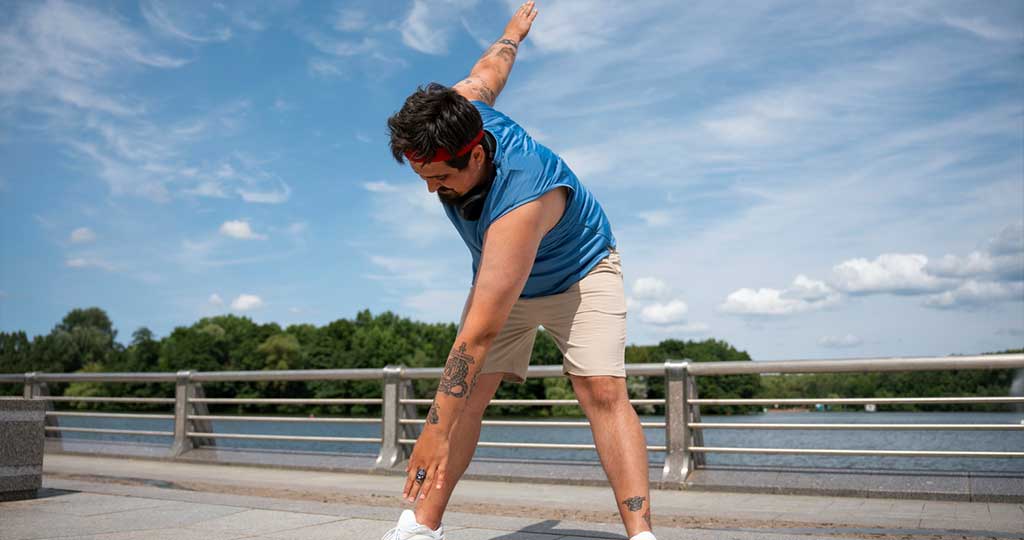 Weak areas are often paired with stiff joints or limited range of motion, which can make even simple movements uncomfortable. Stretching and mobility exercises help:
- Improve joint movement and fluidity.
- Prevent stiffness and tension from spreading.
- Support posture, balance, and overall movement.
Dynamic stretches, yoga flows, and foam rolling complement your strength training perfectly. Flexibility and mobility are just as important as strength; they allow your body to function smoothly while you rebuild strength safely and effectively.
Step 5: Listen to Your Body and Track Progress
Recovery is not a straight path. Some days will feel easier, others tougher. Pay attention to your body:
- Lingering or sharp pain is a sign of adjusting intensity.
- Swelling around joints indicates overloading.
- Persistent fatigue may mean you need rest.
Tracking your progress through journaling or noting improvements in balance, strength, and range of motion turns recovery into a measurable journey. Celebrating small wins, like lifting a bit heavier or moving without pain, keeps you motivated and focused on rebuilding strength consistently.
Step 6: Build a Balanced Routine for Long-Term Protection
 Strengthening weak areas is not just about the injured spot, it’s about protecting your entire body for the long term. A balanced routine includes:
- Core strength: Your core supports nearly every movement, reducing strain on joints and preventing injuries.
- Functional exercises: Movements that mimic everyday activities improve real-life performance.
- Regular conditioning: Cardio and mobility work keep muscles resilient and joints healthy.
As one client shared, “I didn’t realise that working on my core and posture could protect my knee, it’s been a total game-changer!”
Focusing on full-body balance ensures that your weak areas are not only repaired but strengthened enough to rebuild strength for all future movements confidently.
How a Personal Trainer Helps You Rebuild Strength Safely?
Recovering from an injury on your own can feel daunting. That’s where a personal trainer comes in. A trainer can:
- Design a program specifically to strengthen your weak areas.
- Ensure you perform exercises safely and effectively.
- Track your progress and adjust your plan as your body improves.
- Keep you motivated and accountable, turning frustration into results.
At SHA Fitness, we guide clients every step of the way, whether it’s post-surgery, post-injury, or general rehab. With the right support, you can regain strength, improve mobility, and rebuild strength safely and effectively.
If you’ve recently recovered from an injury or surgery and want to strengthen weak areas safely and effectively, book a session with a SHA Fitness personal trainer today. Your body deserves the care and guidance that ensures long-term strength and confidence.
Leave a Reply